HYDRONIC HEATING GUIDE
Hydronic heating warms your home with hot water. A boiler or heat pump heats the water, which circulates through a sealed loop of pipes to radiator panels or to pipes in the floor. The heat radiates into each room — silent, even warmth, with no ducts and no blown air.
Ducted heating blows hot air around the house. Hydronic heating warms surfaces instead — the floor, the walls, the furniture — and they radiate that heat back into the room. The air stays still, so there are no draughts, no dust carried around and no noise. One system can run heated floors in some areas and radiator panels in others.
01
Silent — no fans, no blown air.
02
Even, radiant warmth with no ducts or draughts.
03
Suits new builds and renovations alike.
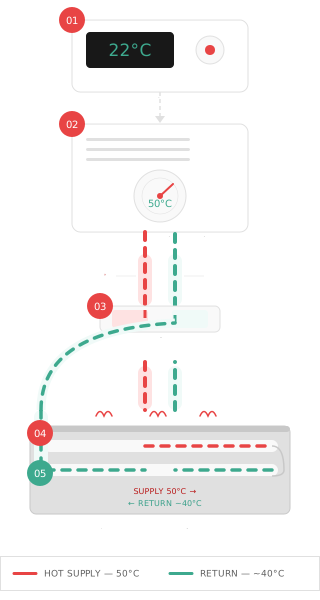
Every hydronic system is the same closed loop, whatever it heats. Five parts do the work.
01 · Thermostat
Senses the room temperature and calls for heat when it drops below the level you’ve set.
02 · Heat source
A boiler or heat pump heats the water — to around 50°C for floor heating, or up to 70°C for radiator panels.
03 · Manifold
Distributes the hot water to each circuit. In a slab, each circuit is about 100m of pipe covering 20m².
04 · Floor or panels
The water gives up its heat to the floor or to steel radiator panels, which radiate it into the room.
05 · Return loop
The cooled water flows back to the heat source to be reheated. The loop is sealed, so the same water circulates continuously.
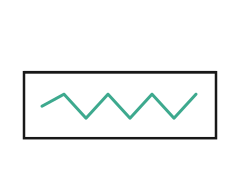
Pipes in the slab or a screed turn the whole floor into a gentle radiator. Even warmth from the ground up, and nothing on the walls.
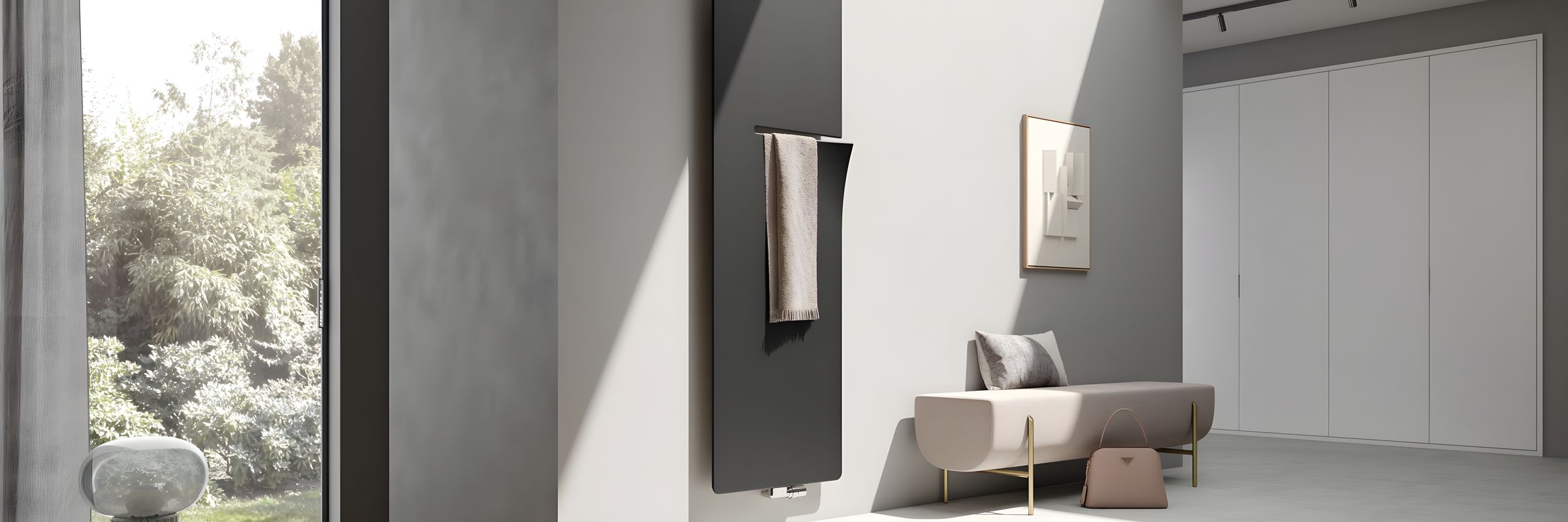
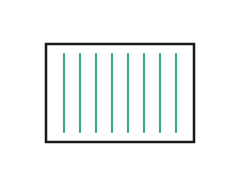
Steel radiator panels heat each room quickly, and are the simplest way to bring hydronic heating to an existing home.
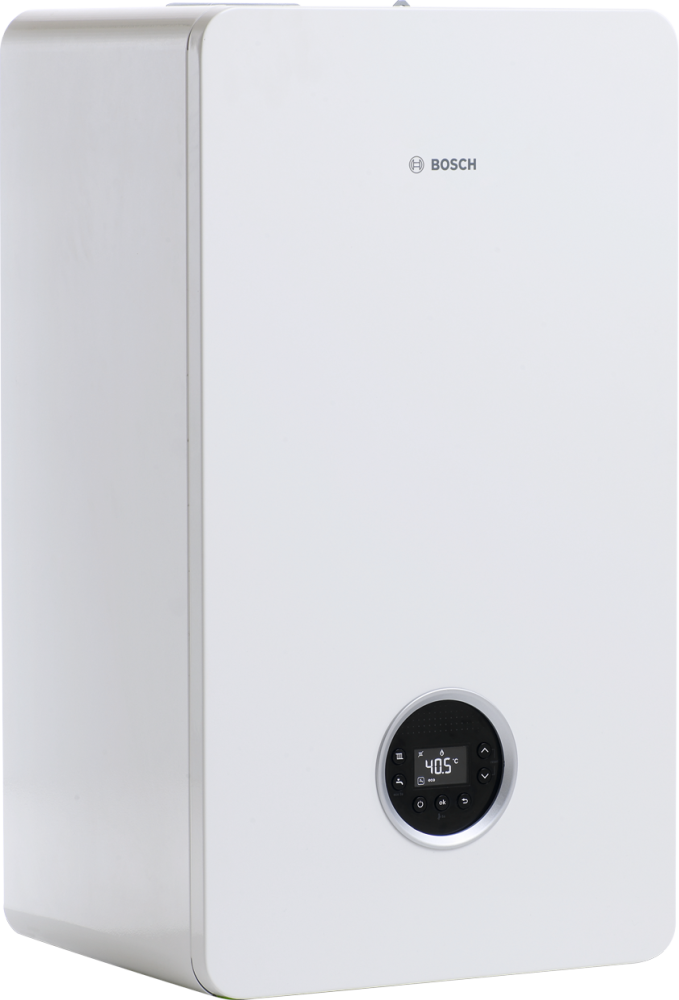
Gas boilers heat the water on demand. Bosch condensing models are our standard.
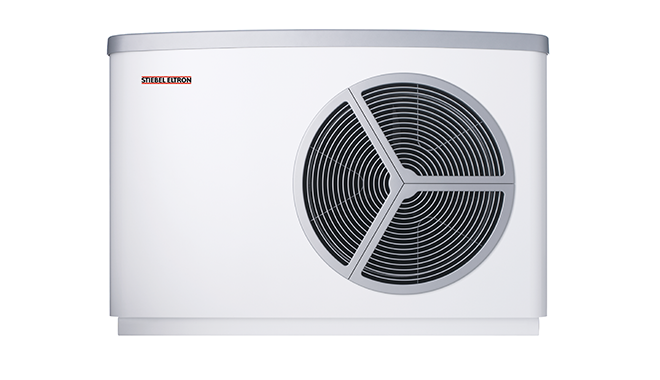
Air-to-water heat pumps run the system on electricity alone — no gas connection needed.
From a programmable thermostat to app-controlled multi-zoning, room by room.
Tell us about your home and we’ll design a hydronic system around it.
Hydronic heating is a system that heats water with a boiler or heat pump and circulates it through a sealed loop of pipes to radiator panels or to pipes in the floor. The heat radiates into each room, giving silent, even warmth without ducts or blown air.
A typical residential system takes three to five days to install, depending on the size of the home and the complexity of the system. That covers the boiler or heat pump, the manifold, the pipe runs and the radiator panels.
Hydronic heating warms surfaces directly rather than the air, so there are no duct losses and less heat escapes when a door opens. Running costs depend on your home’s size, insulation and how you use it — we’ll give you a realistic picture as part of your quote.
Yes. Radiator panels can be retrofitted to existing walls with minimal structural work, and floor heating can go into a new screed during a major renovation.
In-slab pipework is tied into the structural slab before the concrete is poured. In-screed pipework sits in a thinner topping slab that is insulated underneath, so it has less mass to heat and responds faster.
Yes. A hydronic air-to-water heat pump is built to keep working efficiently in winter, down to around −10°C, and suits floor heating particularly well. It costs more upfront than a gas boiler, so we size it carefully against your home’s heat load.
Very little. We recommend an annual service to check pressure, inspect for leaks and keep the system running at its best. Because the system is sealed, there are no filters to change the way there are with ducted heating.